ADA signage compliance is essential for any business that serves the public. While most Oceanside business owners understand the need for ADA room signs or restroom identifiers, many don’t realize how many additional requirements apply—or how easy it is to overlook specific details. These mistakes may seem small, but they can affect accessibility, lead to fines, and create barriers for customers and visitors. At Sign Distinction, we help businesses understand and meet all ADA signage requirements so their facilities remain accessible, compliant, and welcoming.
Below are some of the most common ADA signage standards local businesses unintentionally overlook.
Improper Sign Mounting Locations
One of the most significant issues we see is signage mounted in the wrong place. ADA rules specify that room identification signs must be mounted on the latch side of the door, on the adjacent wall, and positioned so the tactile characters are between 48 and 60 inches above the floor.
Putting signs on the door, above the door, or too high on the wall can cause accessibility issues for individuals with visual impairments. Proper placement helps every visitor locate rooms safely and independently.
Missing or Incorrect Braille
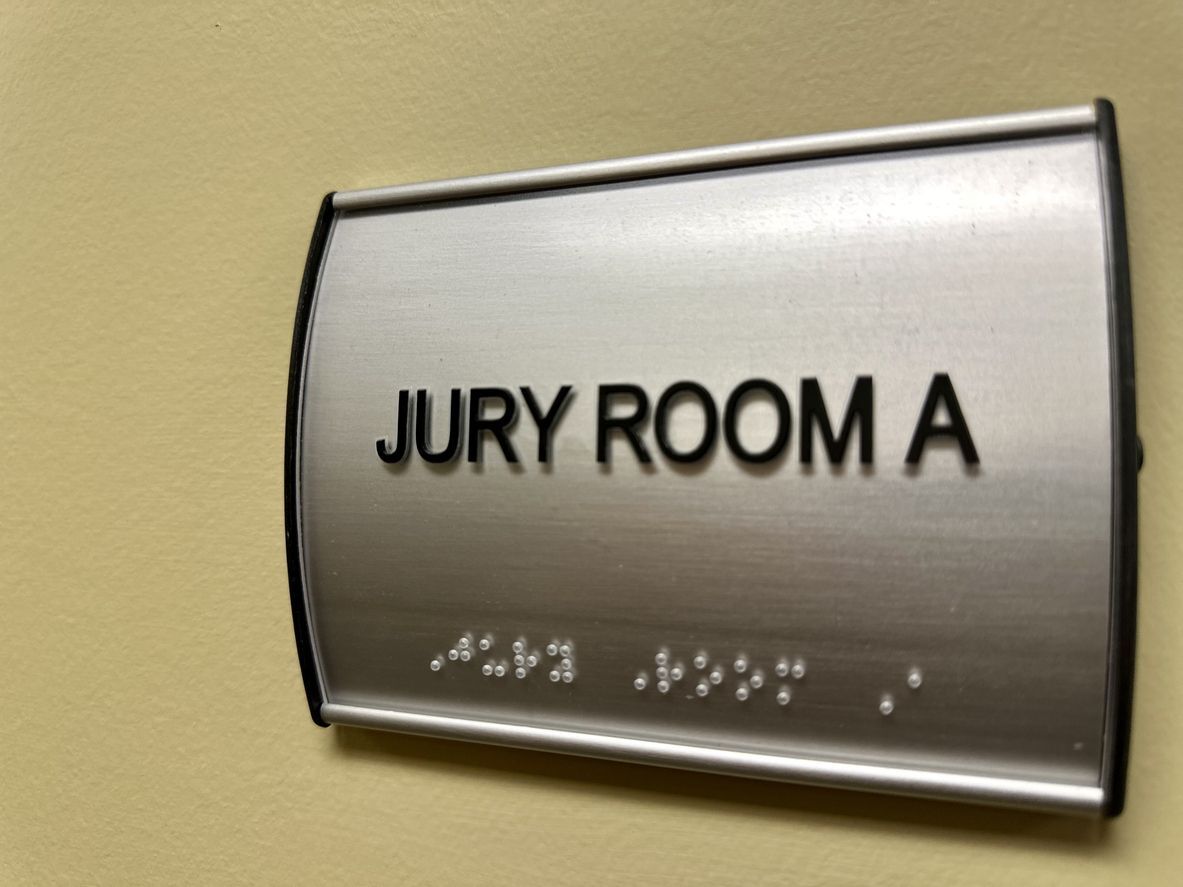
ADA-compliant signs require Grade 2 Braille, but businesses often mistake Grade 1 Braille for the correct version. Some signs may include Braille dots that are too shallow, spaced incorrectly, or missing entirely.
Additionally, Braille must be positioned directly beneath the corresponding tactile text—not below logos, decorative elements, or random spacing.
Lack of Tactile (Raised) Characters
Many business owners assume printed vinyl graphics or flat wall signs meet ADA standards. However, identification signs must include tactile characters raised at least 1/32-inch above the surface. These raised letters help visually impaired individuals read signs through touch.
Decorative or printed-only signs do not meet ADA requirements.
Improper Color Contrast
Good contrast is essential for readability. ADA guidelines require characters and backgrounds to have a non-glare finish and a high light–to–dark contrast.
Where many businesses fall short is in choosing branded colors that look great but fail to meet contrast ratio requirements. For example: white letters on pale yellow, navy blue letters on black, or specific metal finishes.
ADA signs can still be on-brand—but they must also be readable.
Using Glare or Reflective Materials
Glossy, reflective, or glass-like finishes may look modern, but they violate ADA guidelines for tactile signs. Sunlight or indoor lighting can create glare, making the sign unreadable for individuals with low vision.
ADA signs require matte, non-glare finishes that ensure legibility from all angles.
Incorrect Font Size, Style, or Spacing
Not all fonts are ADA-compliant. The rules specify:
- Sans-serif, simple typefaces
- No italics, scripts, condensed fonts, or decorative shapes
- Character height between ⅝ inch and 2 inches, depending on viewing distance
- Proper spacing of characters and lines
Well-intentioned businesses often choose stylish fonts that conflict with ADA readability standards.
Overlooking Secondary Signs
Even when lobby signs or room identifiers comply with regulations, many other signs throughout a facility are overlooked. These often include:
- Stairwell signs
- Elevators and mechanical room identifiers
- Exit route signage
- Accessible entrance indicators
- Parking lot accessibility notices
- Restroom directional signage
A complete ADA review ensures your entire building—not just a few doors—meets accessibility requirements.
Why Compliance Matters
ADA compliance isn’t just about avoiding penalties—it’s about creating a space where every individual feels supported and able to navigate comfortably. People with disabilities, seniors, families with children, and visitors unfamiliar with your building rely on clear, accessible signage.
High-quality ADA signage also enhances your business’s professionalism and ensures your space meets both state and federal standards.
Work with a Sign Company That Knows ADA Standards
At Sign Distinction, we help Oceanside businesses identify compliance gaps, design ADA-compliant signage that aligns with their branding, and professionally install every sign at the correct height and location. From tactile room identifiers to complete interior sign packages, we ensure your building is fully compliant and welcoming to all.
Contact Sign Distinction Today
If your Oceanside business needs ADA signage updates—or you want to be sure your building is fully compliant—contact Sign Distinction. Our team will walk you through the regulations and provide durable, attractive, fully ADA-compliant signage.